About Rovaniemi
Rovaniemi, the official hometown of Santa Claus, sits right on the Arctic Circle in northern Finland. It’s a place where wilderness begins at the edge of the city, the seasons guide daily life, and local culture blends tradition with creativity.
Nature Around the City
Rovaniemi lies in northern Finland on the subarctic zone,
where the boreal forest begins to shift toward the Arctic tundra. The city rests on the Fennoscandian Shield, one of the oldest geological structures on the planet — its bedrock is more than 2.5 billion years old. The last Ice Age shaped everything you see today: wide river valleys, rounded fells, sandy eskers and glacial boulders scattered like quiet reminders of the past.
Walking here, you feel that history under your feet. Soft moss gives way to ancient granite, and narrow forest paths follow ridges carved by meltwater thousands of years ago. The landscape is old, but it never feels still — light, seasons and weather keep it moving.
Forest and Landscape
Rovaniemi sits deep in the boreal forest belt,
where pine, spruce and birch form a calm, steady backdrop to everyday life. The forest floor is a soft mosaic of moss, berries and reindeer lichen, absorbing sound and creating that quiet Lapland atmosphere people remember long after they leave.
Rivers like Kemijoki and Ounasjoki open the landscape, bringing wide views, misty mornings and sandy shores shaped by ancient ice. Small lakes and ponds appear between the trees — still, reflective and often untouched.
Wildlife and the Northern Environment
The area around Rovaniemi is home to a wide range of Arctic wildlife.
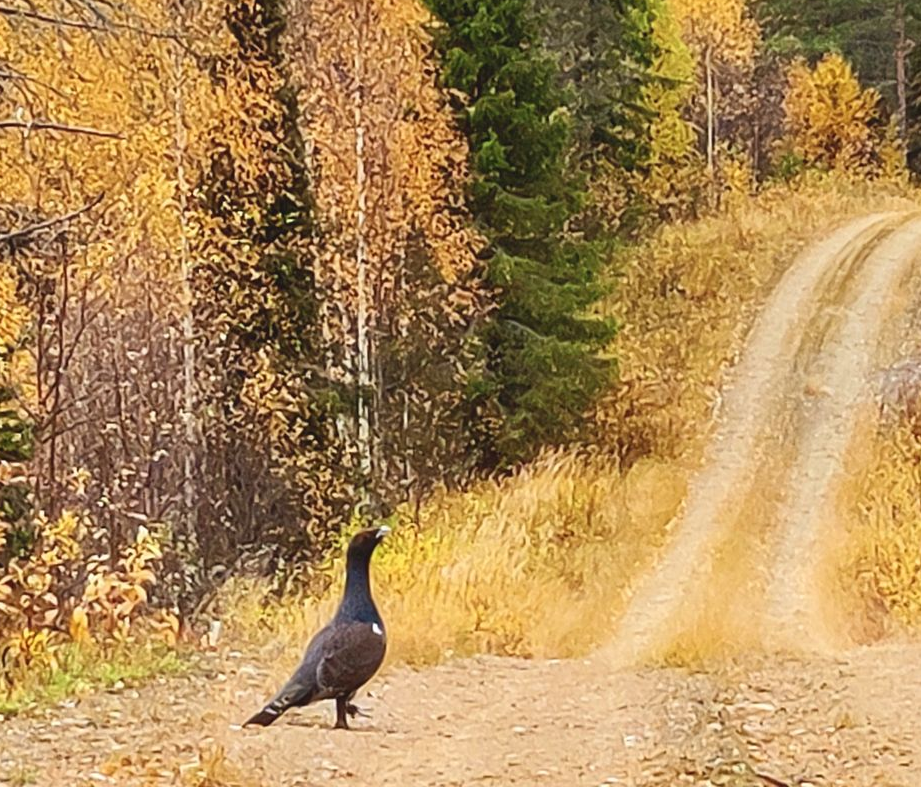
The nature around Rovaniemi is alive in every season. Reindeer are the most familiar sight, moving freely through forests and roadsides, while moose appear often in the quieter woods and river valleys. The area also hosts foxes, hares, owls, woodpeckers, swans and eagles, and along the rivers you may spot otter tracks.
More elusive visitors — bears, lynx and occasionally wolverines — pass through the region but stay hidden in the deeper wilderness. In winter, fresh snow reveals their presence through silent footprints long before you ever see the animals themselves.
Arctic Light
North of the Arctic Circle, light behaves differently.
Rovaniemi sits at the southern edge of the Arctic light zone, where the tilt of the Earth begins to reshape daylight in ways that feel almost unreal. Here, the sun’s path stays low, the atmosphere filters light through long angles, and the seasons create dramatic shifts that change how the entire landscape looks and feels.
Why Arctic Light Is Unique
The Earth’s axis is tilted at 23.4°, and above the Arctic Circle this tilt becomes visible in everyday life.
- In winter, the sun never rises high enough to give full daylight.
- In summer, it never sinks low enough to bring true night.
- During spring and autumn, the sun moves so quickly along the horizon that the quality of light changes from week to week.
Because the sun stays low, its rays travel through more atmosphere than in central Europe. This scatters blue wavelengths and enhances reds and golds — the reason Lapland has such soft winter blues and long, glowing sunsets.
Winter – Blue Light and Aurora Nights
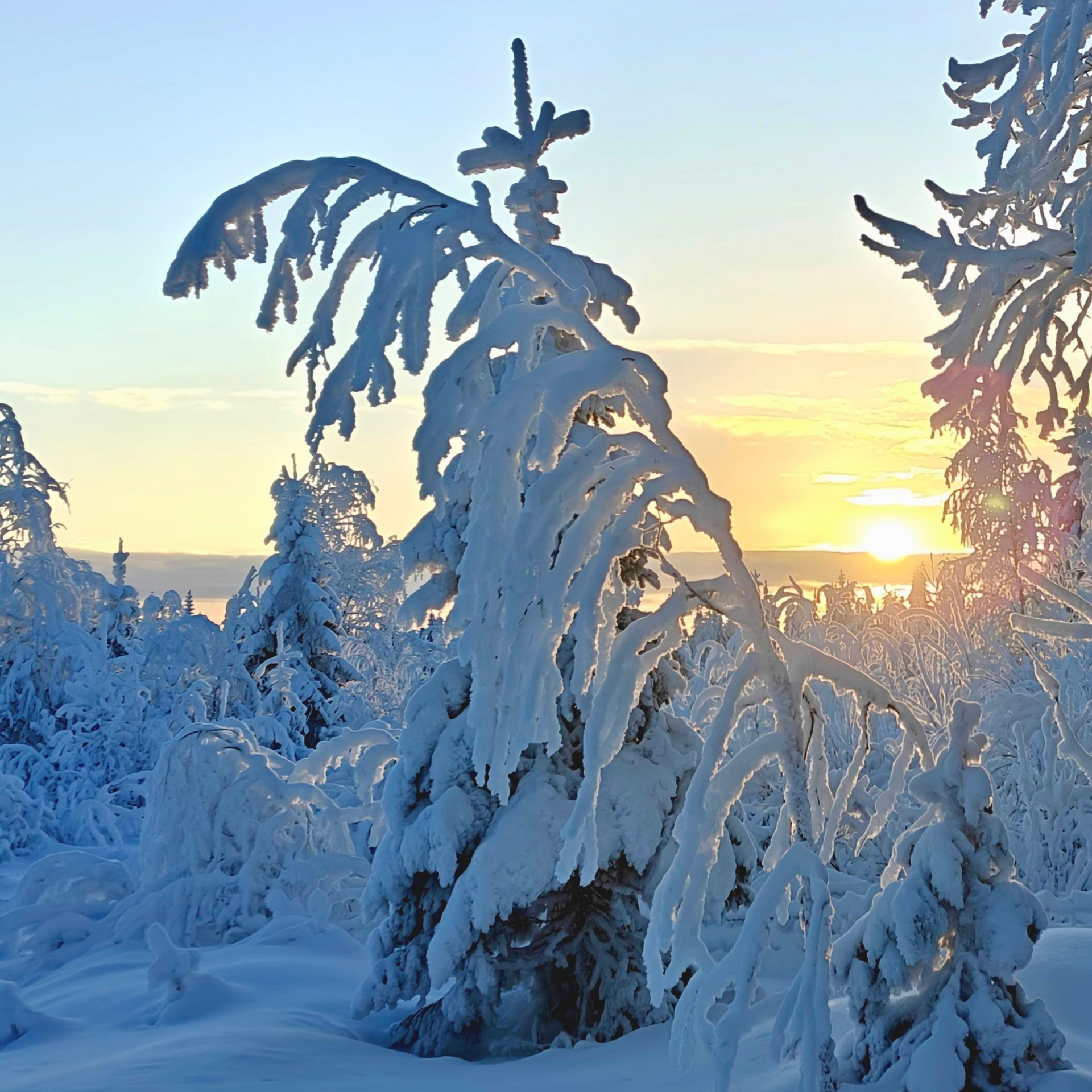
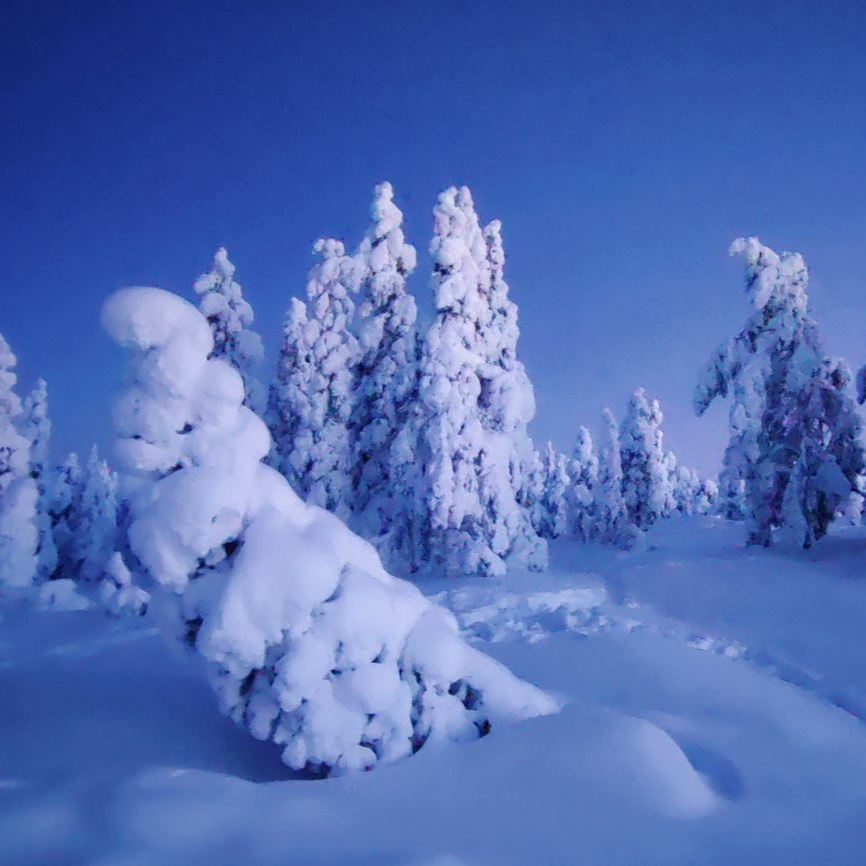
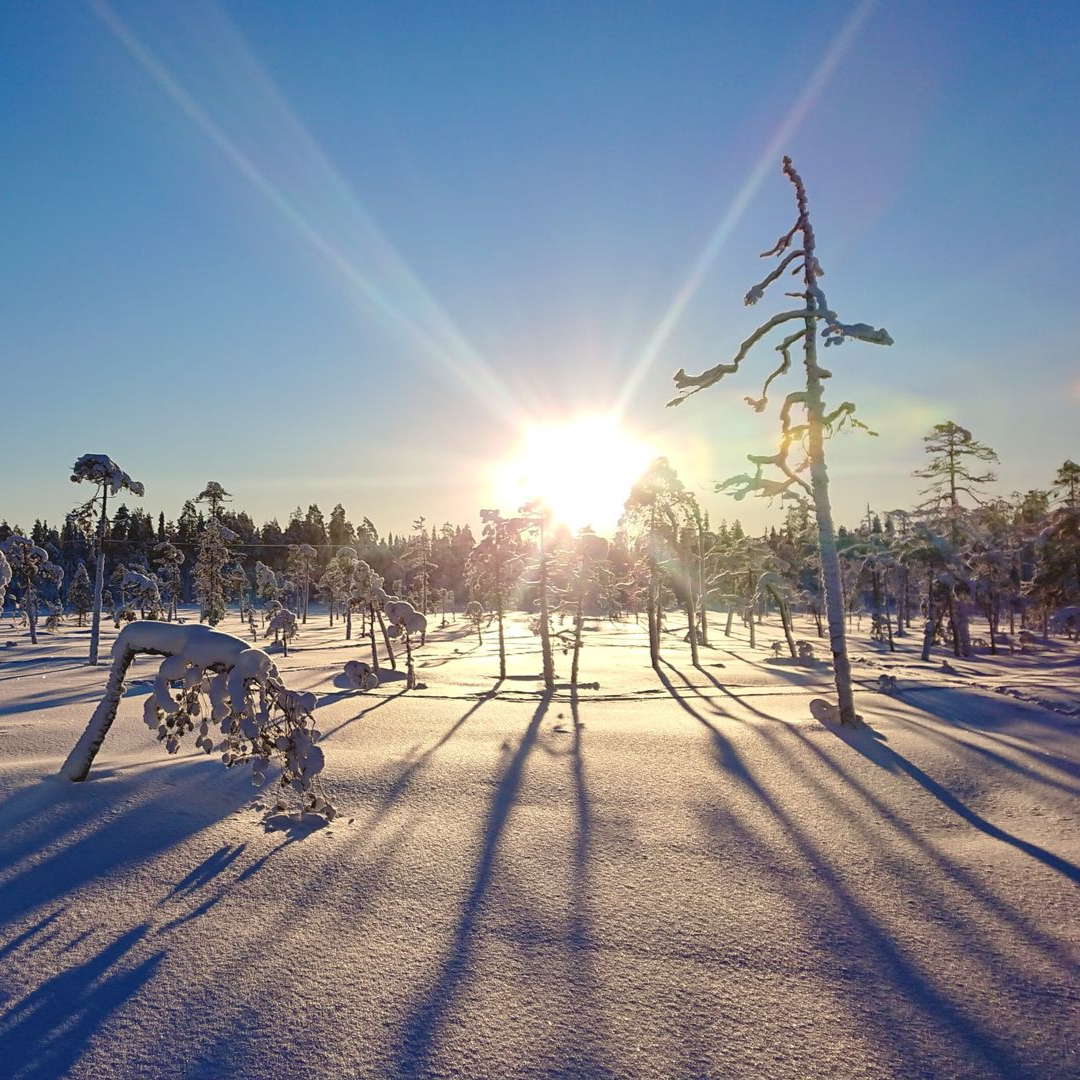
In mid‑winter, daylight becomes a long blue hour. The sun hovers just below or barely above the horizon, creating pastel colours that shift slowly across the snow.
The low light makes shadows soft, contrasts gentle and the whole landscape calm and muted.
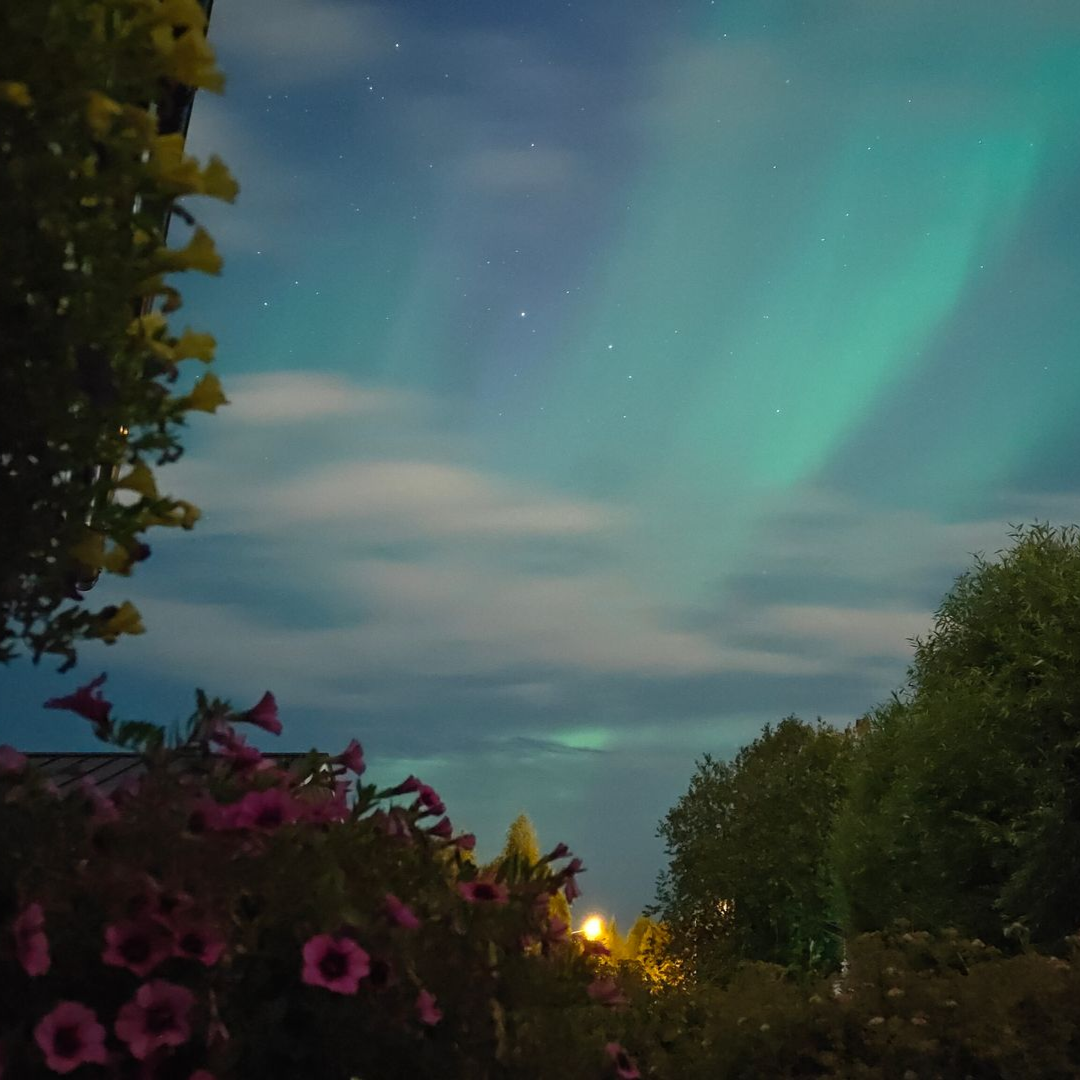
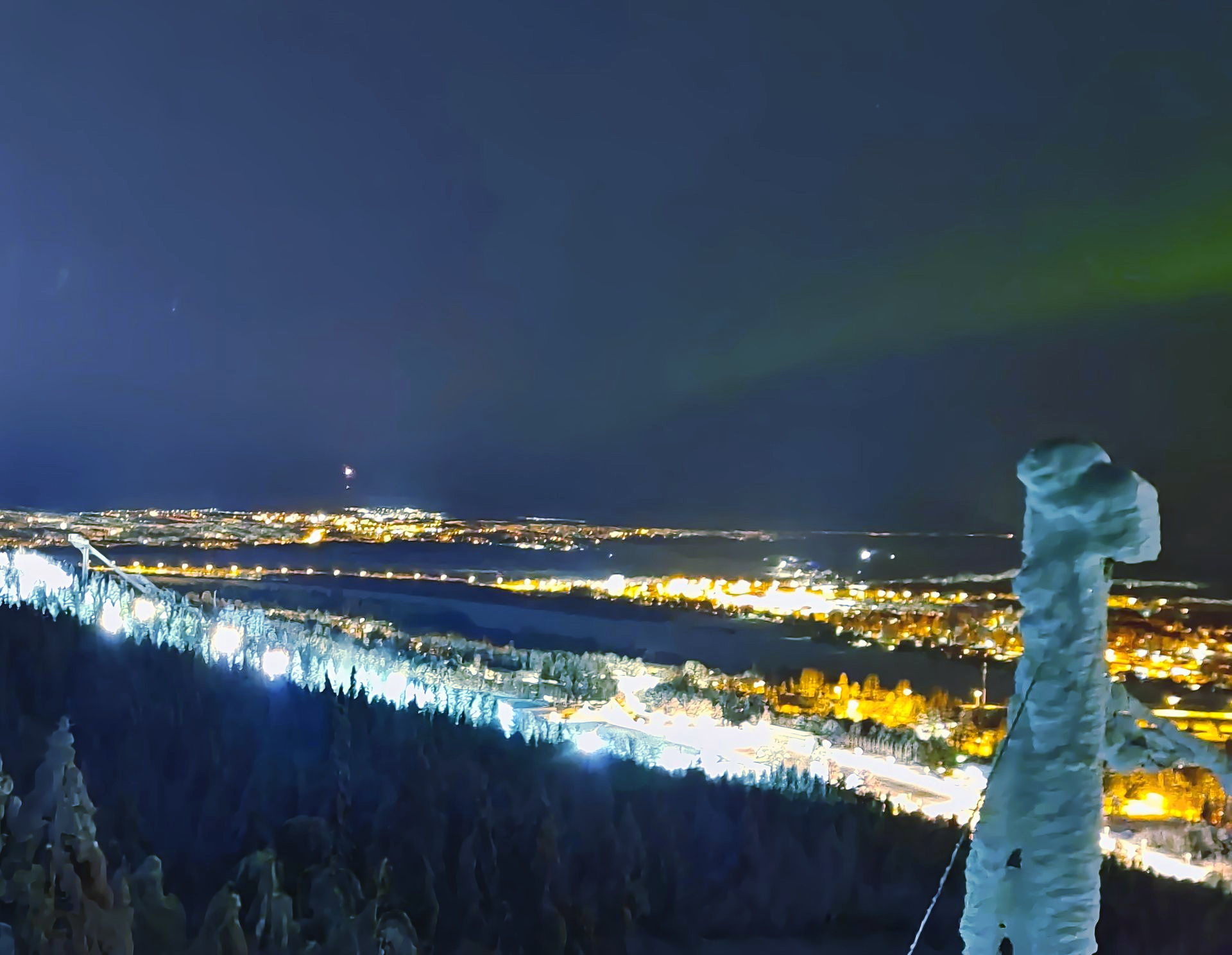
When darkness settles, the sky opens for northern lights. The dry, cold air and low light pollution make auroras appear sharper and brighter, reflecting off frozen rivers and snow-covered trees.
Spring – Light Returns Fast
After the darkest months, the return of light is dramatic. Days lengthen by several minutes each day, and the low-angle sun creates long shadows across melting snow.
The landscape brightens quickly — rivers open, ice cracks, and the first warm tones return to the forest.
Summer – The Midnight Sun
By June, the sun stays above the horizon for weeks. This Midnight Sun creates a warm, golden glow even at midnight.
Colours stay vivid, lakes mirror the sky, and the forest feels alive around the clock. Plants grow fast, birds stay active, and evenings stretch endlessly because the day never truly ends.
Autumn – Low Sun and Intense Colour
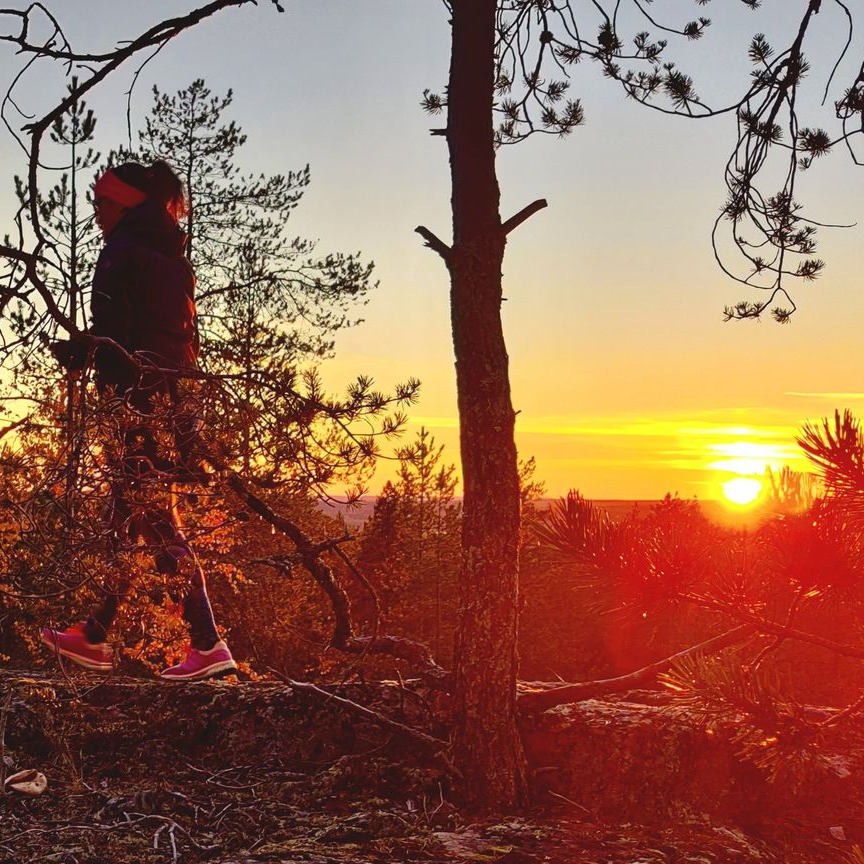
As the sun drops lower again, the light becomes soft and warm. The forest turns yellow, orange and red, and the low-angle sunlight makes the colours glow almost from within.
Shortening days bring crisp air, clear skies and reflections on still lakes — a brief but striking season before winter returns.